The Art of the Deal: How Luxury’s Love Affair with Pop Art Revalues Everything It Touches
Dalí painted a lobster on a Schiaparelli gown, and fashion never quite got over it. Nearly nine decades later, a polka-dot pumpkin bag by Yayoi Kusama sold at Christie's like a painting, for a cool $151,200.
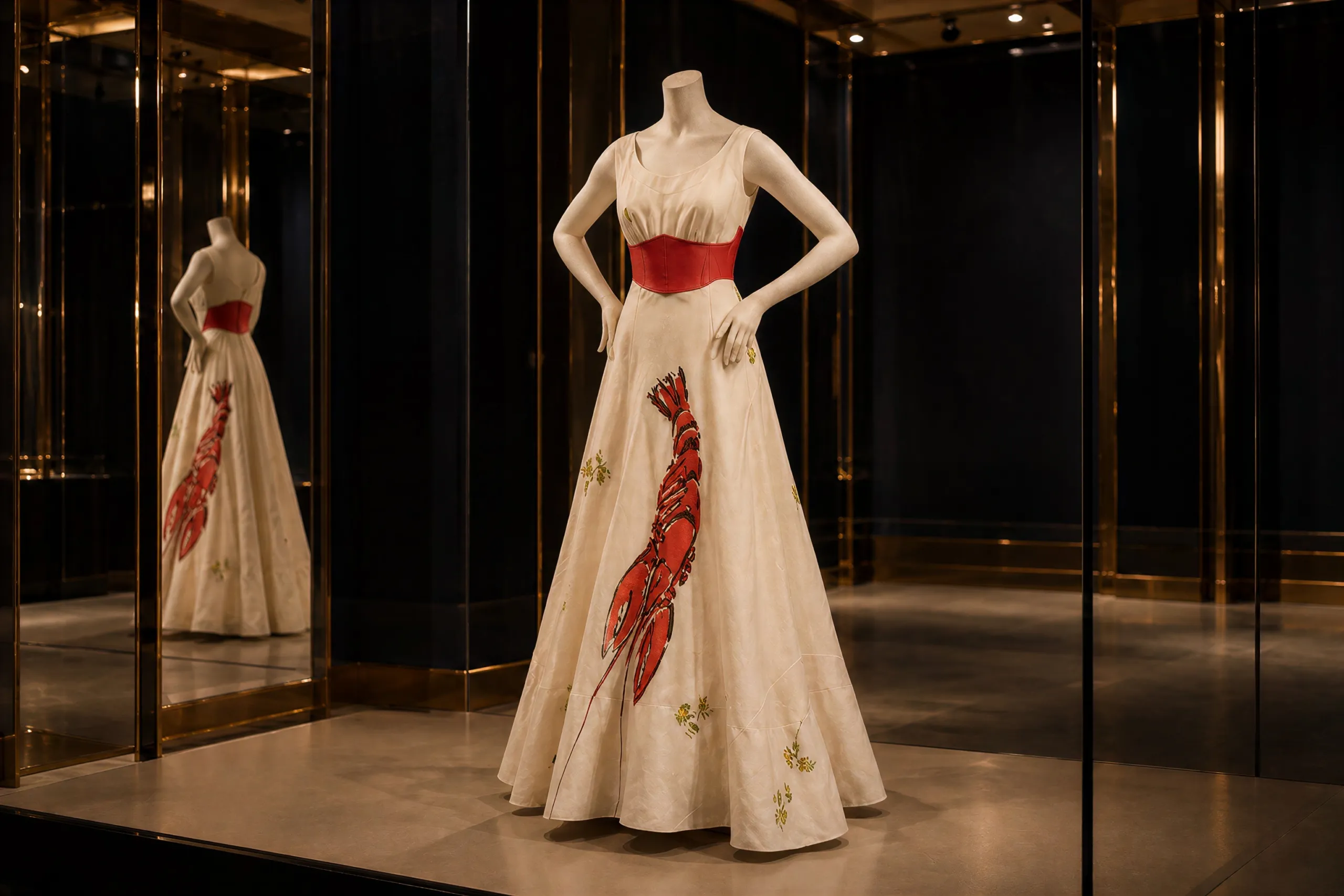
It is the oldest courtship in fashion: the atelier and the atelier of ideas. Long before "drop culture" and resale platforms turned collaborations into an asset class, couturiers understood that an artist's signature could sanctify a garment. The ur-example remains Elsa Schiaparelli's 1937 lobster dress, its crustacean painted by Salvador Dalí, a garment made for Wallis Simpson that collapsed the distance between a Paris salon and the Surrealist imagination. What Schiaparelli intuited, the modern luxury conglomerate has industrialized.
Graffiti on the Monogram
The turning point was Marc Jacobs' tenure at Louis Vuitton. In 2001, Jacobs invited the downtown American artist Stephen Sprouse to scrawl his own handwriting across the house's sacrosanct monogram, the moment, widely credited, when contemporary luxury truly learned to speak graffiti. Two years later came the collaboration that rewrote the economic playbook: Takashi Murakami's Monogram Multicolore, which debuted on the Spring/Summer 2003 runway and reimagined the brown LV canvas in 33 colors. The collection reportedly generated more than $300 million in its first year alone, produced 7,000-name waitlists, and saw resellers charging double retail. It ran for more than a decade, surviving Jacobs' departure in 2013 before Louis Vuitton discontinued it in 2015, and the industry still treats it as one of the gold standard of art-fashion alliances.
Why does this alchemy work so reliably? Because it is a transaction of cultural capital in both directions. The brand borrows the artist's aura of singularity and critical legitimacy; the artist borrows the brand's distribution, its billboards, its windows, its ubiquity. Luxury scholars call the process "artification", the deliberate infusion of fine-art credentials that lifts a commercial object out of mere merchandise and into the realm of cultural artifact. For the collector, the result is a category of object that behaves like neither fashion nor fine art alone, but something more volatile and more coveted: commercial pop art with a maison's provenance.
Priced Like a Sculpture
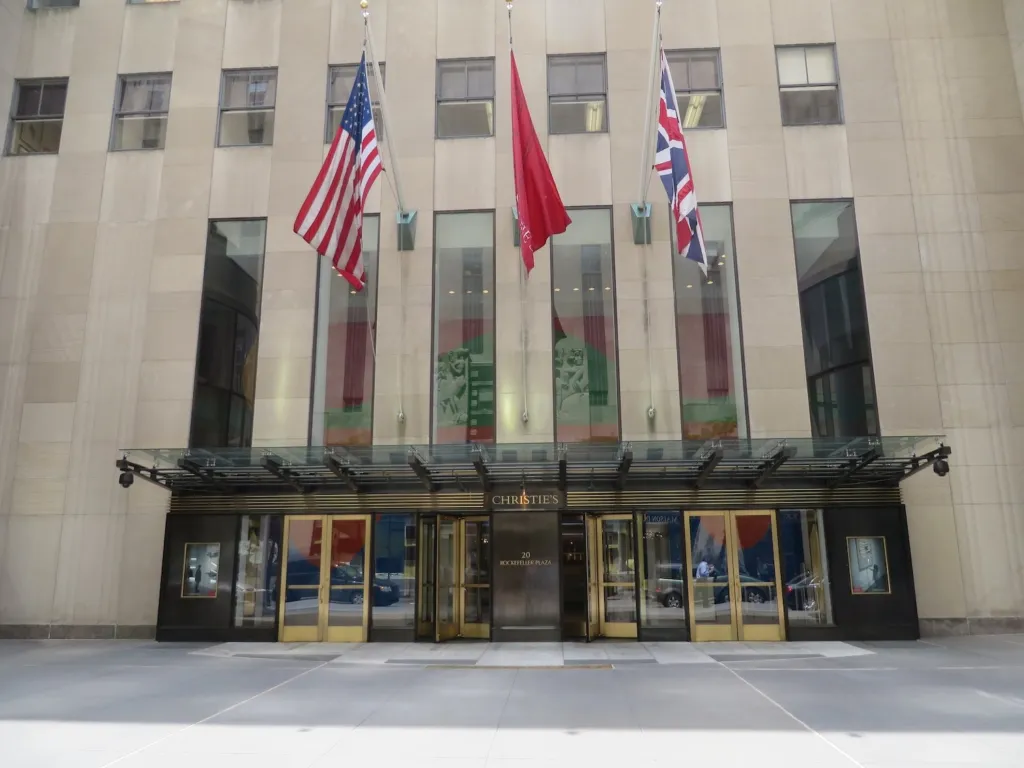
The record books now bear this out. In September 2024, a limited-edition Louis Vuitton pumpkin bag created with Yayoi Kusama sold at Christie's New York for $151,200, against an estimate of $10,000 to $15,000, setting two world auction records for a handbag. The bag came from Vuitton's second Kusama collaboration in 2023, a planetary campaign that projected polka dots across Harrods' façade, dressed 27 of its windows, raised a 15-metre statue of the artist there, and installed life-size animatronic Kusama robots at locations including Place Vendôme, Fifth Avenue, New Bond Street and Omotesando. It was a museum show and a merchandising offensive at once, and the market responded by pricing a handbag like a sculpture.
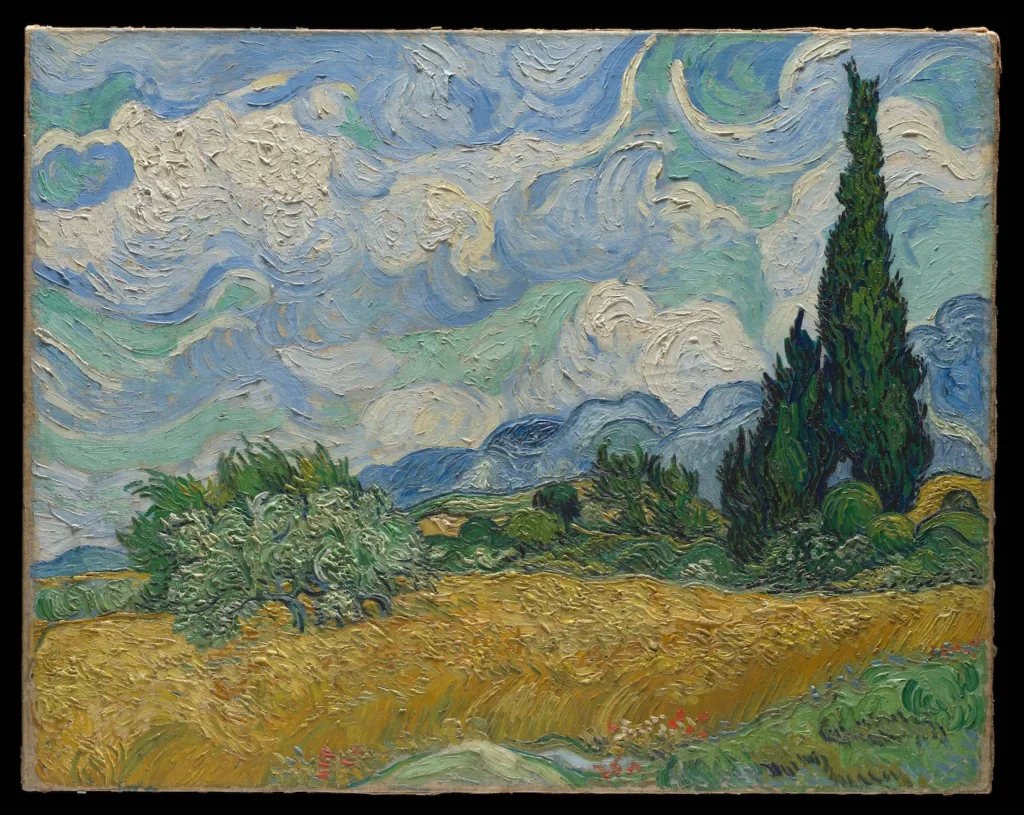
Kusama's pumpkin was the logical endpoint of two decades of escalation. In 2017, Jeff Koons' "Masters" collection for Louis Vuitton printed Old Master paintings, Leonardo's Mona Lisa, Van Gogh's Wheat Field with Cypresses, Rubens' The Tiger Hunt, onto the house's most classic leather goods, literally fusing the museum wall with the trunk. The same year, Louis Vuitton's union with Supreme dragged street culture into the salons, and Christie's now catalogues the resulting Keepalls and Christopher backpacks as collectibles in their own right. Alessandro Michele's Gucci took the inverse route in 2016, drafting the Brooklyn graffiti artist Trevor Andrew, GucciGhost, to tag the heritage GG monogram across bags and fur coats, an act of authorized vandalism that made the logo itself the artwork.
Meanwhile, KAWS, whose sculptures can reach millions at auction even as his Uniqlo tees sell for under $50, proved the spectrum's breadth by selling out his SS19 Dior menswear collaboration through pop-ups within hours. And Daniel Arsham has extended the logic to hard luxury, casting Tiffany's Blue Box in eroded bronze as a "Future Relic", an edition of 49 sculptures that reframes the jeweller's iconic packaging as an archaeological find.
The lobster dress was worn once. The pumpkin, nearly nine decades later, was auctioned like a painting.
But none of this is mere marketing or a cheap trick to get fast sales. The most sophisticated houses have folded patronage into their corporate DNA, converting commercial windfalls into cultural infrastructure. LOEWE's Foundation Craft Prize annually recognizes excellence in textiles, ceramics, and woodwork, echoing the house's own artisanal origins. It is the mature form of Schiaparelli's impulse: not just borrowing an artist that’s hot for a season, but building an institution that manufactures the very credibility the collaborations then monetize.
For The Artist Selection reader, the takeaway is practical. These collaborations compress value into objects that are simultaneously rare and instantly legible: a Koons bag reads as art even to someone who has never set foot in a gallery. That legibility is precisely what drives desirability, and what made a $151,200 pumpkin an inevitability. The lobster dress was worn once. The pumpkin, nearly nine decades later, was auctioned like a painting. That is the true measure of how completely luxury has learned to cross-pollinate with art: it has become a true business model and inspiration.